

Film Greenhouse: The Efficient Protective Umbrella of Modern Agriculture
In the vast landscape of modern agriculture, the film greenhouse stands out as a crucial bridge connecting traditional farming and intelligent agriculture. It is not only a "protective umbrella" for crop growth but also a "great assistant" for farmers to increase production and income. This article provides a comprehensive overview of film greenhouses.
- xianke
- china
- Information
Film Greenhouse: The Efficient Protective Umbrella of Modern Agriculture
In the vast landscape of modern agriculture, the film greenhouse stands out as a crucial bridge connecting traditional farming and intelligent agriculture. It is not only a "protective umbrella" for crop growth but also a "great assistant" for farmers to increase production and income. This article provides a comprehensive overview of film greenhouses.
1. What is a Film Greenhouse?
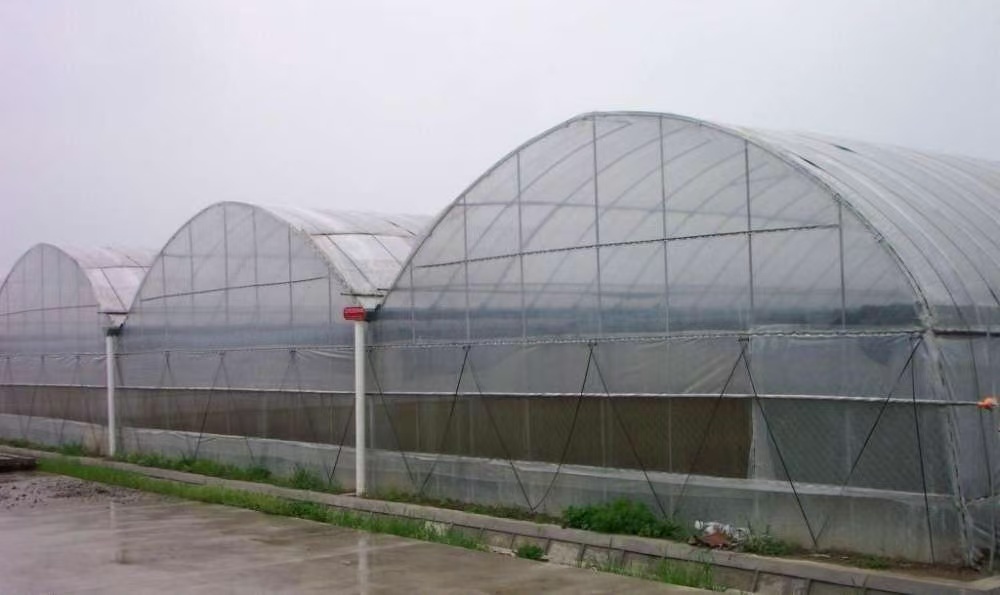
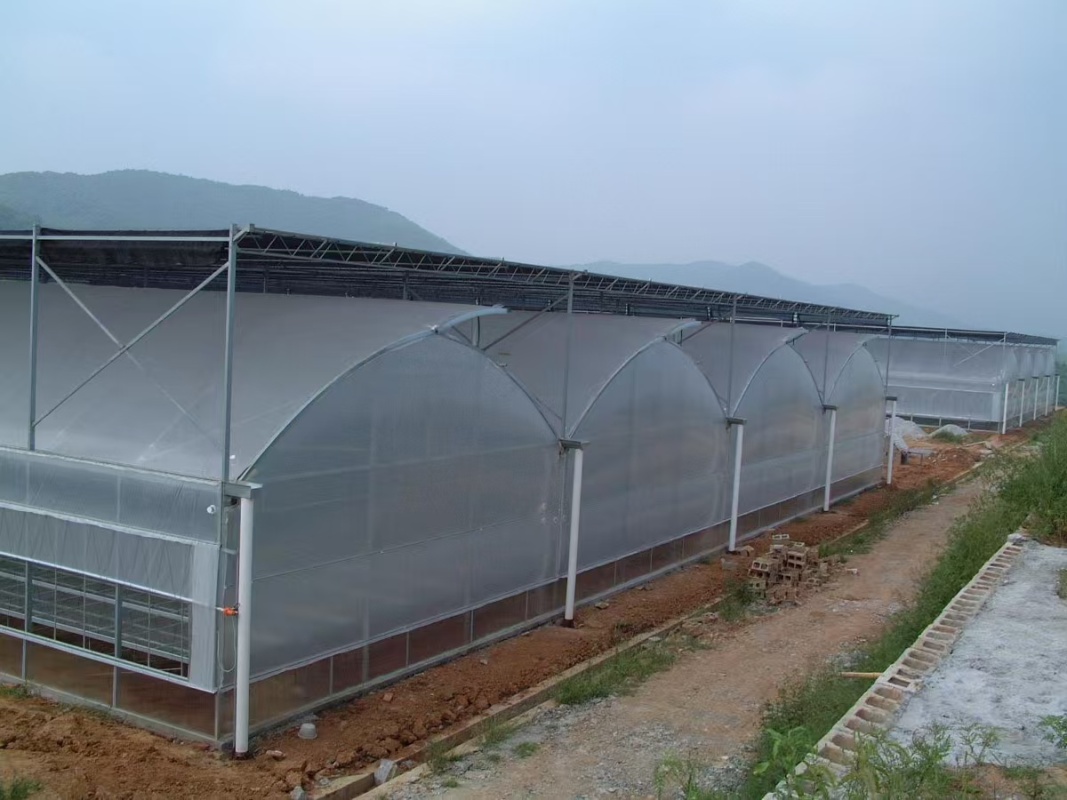
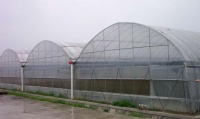
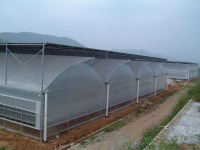
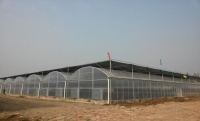
A film greenhouse, as the name suggests, is a type of greenhouse that uses plastic film as its primary covering material. Its basic structure consists of a framework (typically made from hot-dip galvanized steel pipes) and plastic film stretched over this framework. It creates an artificially controlled microclimate to free agricultural production from dependence on natural conditions.
Compared to traditional glass greenhouses and the more recent polycarbonate (PC) sheet greenhouses, the most distinctive feature of film greenhouses is their cladding material—plastic film. This characteristic defines a series of unique properties regarding cost, light transmission, insulation, and more.
2. Core Advantages of Film Greenhouses
Low Investment Cost, High Cost-Effectiveness
The cost of plastic film is far lower than that of glass and PC sheets, and the frame structure is relatively lightweight. This significantly reduces the initial investment for film greenhouses, making them highly suitable for individual farmers with limited capital, cooperatives, or large-scale promotion.Excellent Light Transmission
High-quality agricultural film can achieve a light transmission rate of over 90%, surpassing that of glass. Ample light is essential for plant photosynthesis, effectively promoting crop growth, shortening production cycles, and increasing early yields.Flexible Construction and High Scalability
Film greenhouses have a simple structure and short construction周期. They can be designed with different spans and lengths according to terrain and planting needs. Their modular design also facilitates future expansion and modification.Good Thermal Insulation
The film creates a "greenhouse effect" inside, storing heat during the day and releasing it slowly at night, maintaining the internal temperature. Particularly, double-layer inflated film greenhouses, where air is pumped between two layers of film to create an insulating air layer, offer even better thermal performance.Suitable for Various Planting Models
From ordinary vegetable and flower cultivation to seedling propagation, pick-your-own farms, and even insulation for some aquaculture ponds, film greenhouses are widely applicable.
3. Types and Structures of Film Greenhouses
Based on roof shape, film greenhouses are mainly categorized as follows:
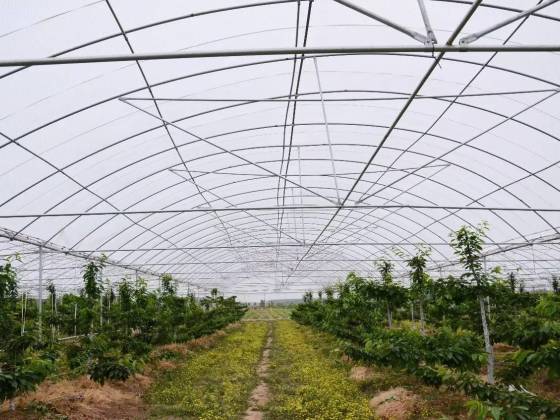
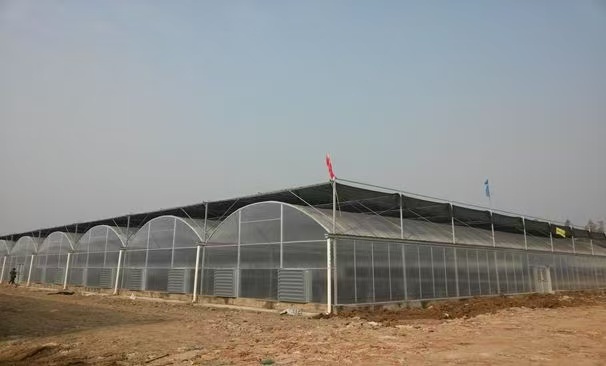
Quonset / Arch Roof Greenhouse: The most common type, with a rounded arch roof. It offers stable structure, good wind resistance, simple construction, and the lowest cost.
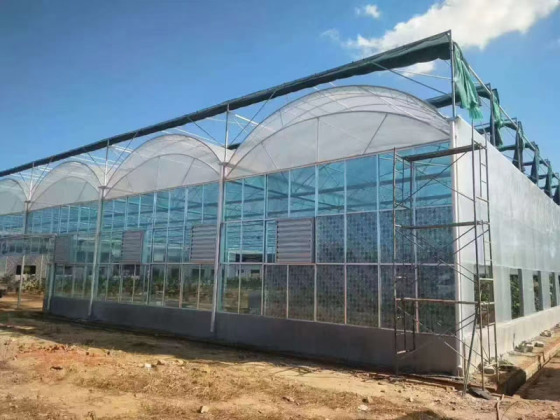
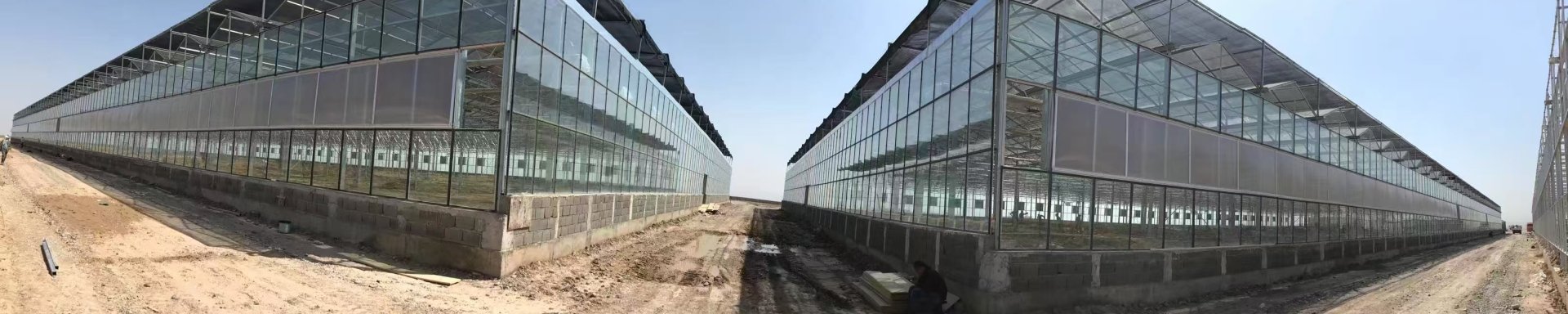
Venlo-type Film Greenhouse: Utilizes a Venlo-style structure with a peaked roof. It provides excellent drainage performance, high internal space utilization, and is suitable for mechanization, but has a relatively higher cost.
Sawtooth Greenhouse: Features single or multiple vertical ventilation openings on one or both sides of the roof, which is beneficial for natural ventilation and heat dissipation, especially suitable for hot summer or high-temperature, high-humidity regions.
4. Film Selection: The Embodiment of Core Technology
The quality of the film directly affects the greenhouse's performance and service life. Mainstream film types include:
PE Film (Polyethylene Film): The most basic and common type, inexpensive, but generally has a shorter service life (typically 1-2 years) with average insulation and anti-aging properties.
EVA Film (Ethylene-Vinyl Acetate Copolymer Film): Offers better light transmission, thermal insulation, and weather resistance than PE film. It is a mainstream choice in the market today, with a service life of 2-3 years.
PO Film (Polyolefin Film): Represents the high-end category of films. Through special treatment processes, it possesses excellent characteristics such as high light transmission, high strength, long service life (up to 3-5 years or even longer), anti-drip and anti-fog properties, and persistent high light transmission. Although more expensive, its comprehensive benefits are significant.
Special Functional Films: There are also films designed for specific needs, such as Light Conversion Film (converts UV light to red light to promote photosynthesis), Diffuse Light Film (creates more uniform light distribution), and Light Adjusting Film (controls specific light spectra).
5. Supporting Systems (Intelligent Upgrades)
A basic film greenhouse meets fundamental production needs. However, it can be easily upgraded to a "smart greenhouse" by adding various supporting systems:
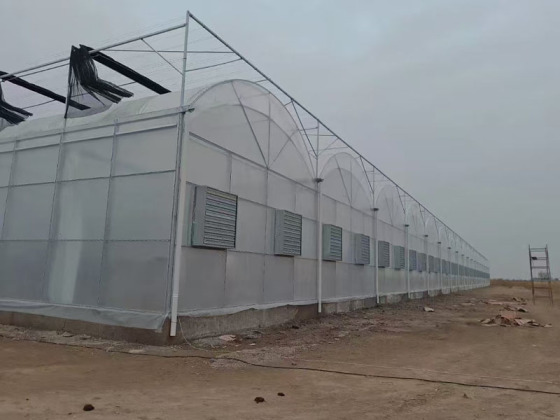
Ventilation System: Roof vents, side vents, fan and pad cooling systems.
Shading System: Internal or external shade nets for summer cooling or light regulation.
Thermal Screen System: Internal thermal screens to reduce heat loss at night.
Irrigation System: Water-saving facilities like drip irrigation, sprinklers, misters.
Environmental Control System: Uses sensors to monitor data (temperature, light, water, air, fertilizer) in real-time and automatically adjusts the environment via a central controller for precise climate management.
6. Limitations and Countermeasures
Limited Service Life: The film degrades over time and requires periodic replacement. Solution: Select high-quality, long-life films and perform regular maintenance.
Relatively Lower Structural Strength: Wind and snow load resistance is generally lower than that of glass greenhouses. Solution: Reasonably design the frame structure, reinforce the frame in areas prone to snow and wind, and promptly remove snow accumulation.
Upper Limit on Insulation: In severely cold regions, the insulation of a single-layer film might be insufficient. Solution: Use double-layer inflated film, add internal thermal screens, etc., to enhance insulation.
7. Applications and Future Prospects
Film greenhouses are widely used in agriculturally advanced countries like China, Israel, the Netherlands, and Spain. They are particularly suitable for:
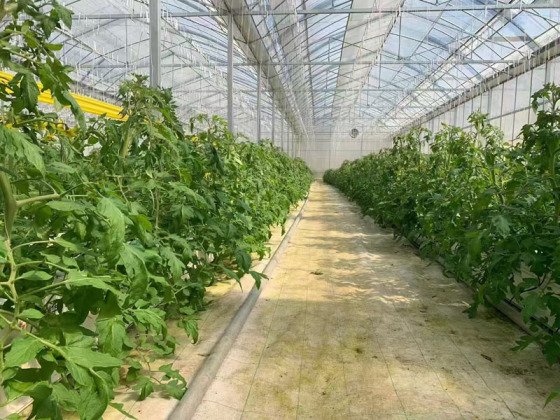
Off-season production of seasonal vegetables and fruits.
Cultivation of flowers and nursery stocks.
Agritourism, such as eco-restaurants and pick-your-own farms.
Poverty alleviation through industry development projects in less developed regions.
Future Outlook: With the deep integration of new material technologies (e.g., longer-lasting, smarter films) and the Internet of Things (IoT), film greenhouses will develop towards being more energy-efficient, more intelligent, and easier to manage. They will continue to play a vital role in global protected agriculture due to their irreplaceable cost-effectiveness, contributing to food security and the advancement of agricultural modernization.